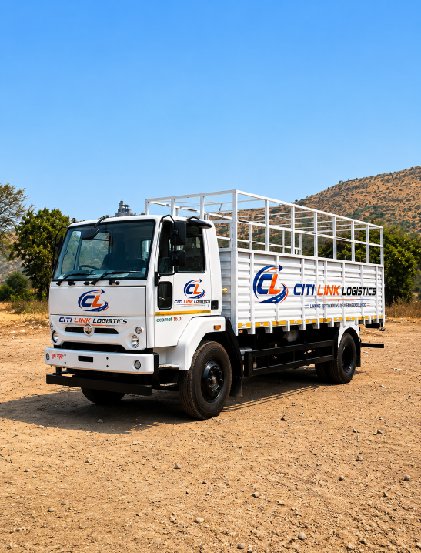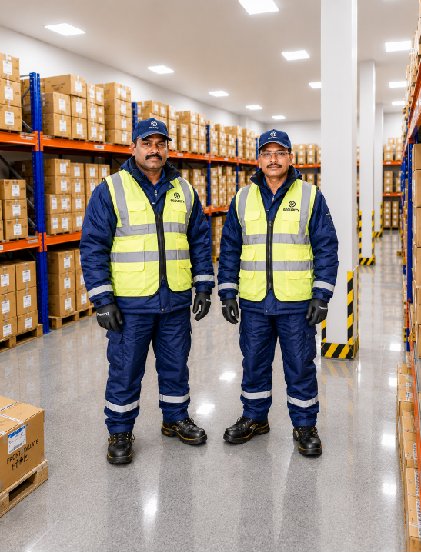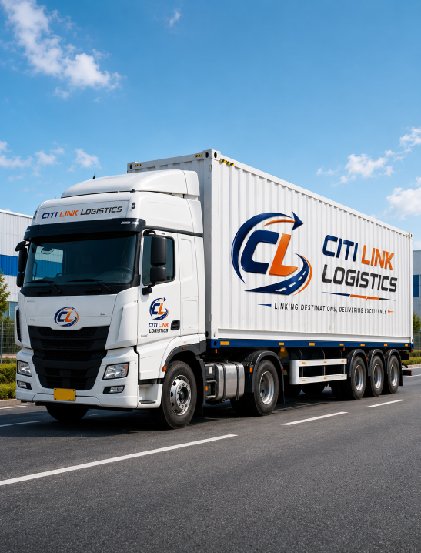
FTL TRANSPORTATION
Fleet Deployment & Shipment Management
KEY CHALLENGES
Timely FTL Vehicle Availability
Ensuring the timely availability of Full Truck Load (FTL) vehicles for the transportation of critical production components from Nashik to Tata Cummins, Jamshedpur.
Urgent Shipment Requirements
Managing urgent and time-critical shipment requirements while minimizing dependency on premium freight services.
Dispatch & Delivery Delays
Previous delays in transportation resulted in increased premium freight costs and created challenges in maintaining optimum inventory levels.
Consistent Transportation Performance
Maintaining reliable transportation performance through effective fleet planning, timely vehicle placement, and continuous operational coordination.
Multi-Party Coordination
Ensuring seamless communication and coordination between customer teams, transporters, logistics operations, and delivery branches throughout the shipment cycle.
OUR SOLUTIONS
Dedicated FTL Transportation Network
Citi Link Logistics developed a dedicated FTL transportation network with strategically deployed vehicles aligned with shipment volumes, production requirements, and customer dispatch schedules.
Single-Window Fleet Deployment
A single-window fleet deployment system was implemented to enable faster vehicle allocation and seamless coordination for both planned and emergency dispatches.
Proactive Shipment Planning
Structured transportation planning was introduced with proactive vehicle placement, optimized fleet utilization, and continuous coordination to ensure shipments moved as per customer requirements.
Dedicated Logistics Coordination
Dedicated logistics coordinators were deployed to facilitate real-time communication between customer teams, transporters, and delivery branches, ensuring faster resolution of operational requirements.
End-to-End Shipment Management
Citi Link managed the complete transportation cycle, including:
Vehicle Placement → Loading → Transit Monitoring → Unloading → POD Management
This provided better control and visibility throughout the shipment lifecycle.
Continuous Shipment Monitoring
Proactive shipment monitoring and real-time tracking were implemented to provide timely updates, identify potential delays, and enable corrective action during transit.
Performance Monitoring & Reviews
Regular performance reviews were introduced to monitor delivery performance, fleet utilization, operational efficiency, and service quality, enabling continuous process improvement.
OUTCOMES
95% Vehicle Availability
Achieved 95% vehicle availability, ensuring reliable and uninterrupted dispatch operations aligned with customer production and shipment requirements.
100% On-Time Delivery
Achieved 100% on-time delivery performance for assigned shipments, significantly reducing delays and minimizing dependency on premium freight.
Reduced Dispatch Delays
Reduced dispatch delays through proactive planning, continuous shipment tracking, timely operational updates, and improved shipment visibility.
Reduced Premium Freight Dependency
Improved transportation planning and delivery reliability helped significantly reduce the need for premium freight services, contributing to better logistics cost management.
Improved Inventory Control
Timely transportation of production-critical components helped improve inventory control and reduce the risk of supply disruptions at the customer’s manufacturing facility.
Improved Transportation Reliability
Enhanced overall transportation reliability through dedicated fleet deployment, structured planning, real-time monitoring, and continuous operational coordination.
Strengthened Customer Partnership
Consistently meeting delivery commitments, improving operational visibility, and reducing logistics challenges strengthened customer confidence and supported a long-term strategic partnership.